Long-Term Contract
English-speaking drivers. Fixed prices. Zero surprises.
A long-term UK itinerary should not depend on a string of one-off bookings.
When your group is moving between cities, campuses, hotels, venues, airports, or filming locations, you need a transport plan that stays organized from the first pickup to the final departure.
My Travel Swift UK helps US-based coordinators plan private minibus transport for extended UK travel. The goal is simple: one clear agreement, a practical vehicle plan, and fewer moving parts for your team to manage from across the Atlantic.
A better fit for:
Planning a UK program with multiple travel days?
Talk through your transport plan with My Travel Swift UK.
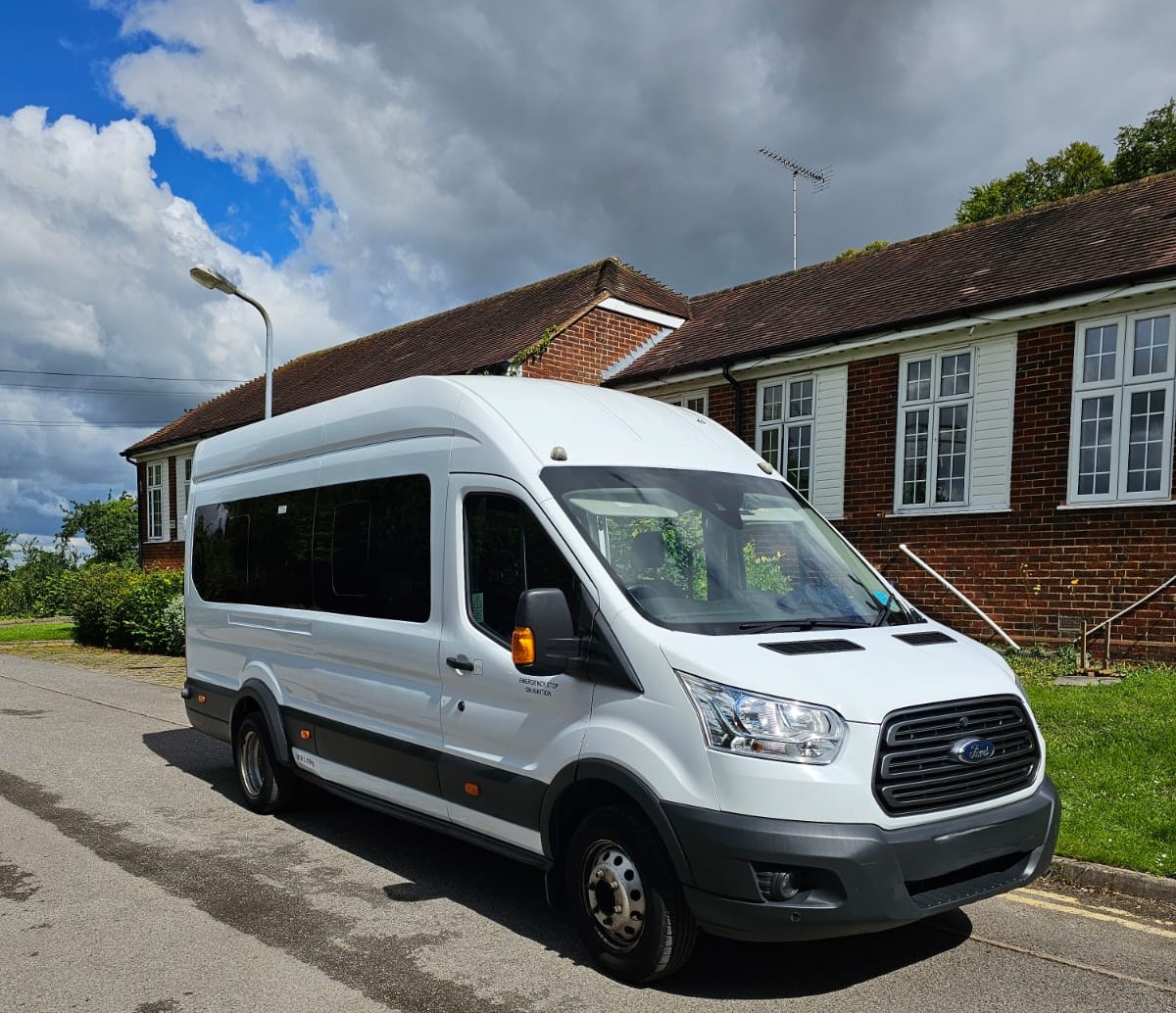
A long-term transport contract is not a larger version of an airport transfer. It is a structured agreement for your planned travel period, built around your group size, route, travel days, luggage needs, and expected changes along the way.
That matters when your itinerary runs for three weeks, six weeks, or an entire academic term.
For many US groups of roughly 15 to 24 travelers, a minibus is often the more practical option.
UK roads are not built like US highways. Rural lanes can be narrow. Historic town centers can be tight. Hotel access, city-center drop-offs, and smaller parking areas can make an oversized vehicle harder to manage.
A correctly sized minibus can help your group stay together while keeping the itinerary more flexible.
Ask us to review your passenger and luggage plan.
Extended UK transport looks different for every organization.
The common need is not just a vehicle. It is dependable movement between the places that matter to your schedule.
Keep employees moving between hotels, offices, training sites, and regional meetings without asking a US-based coordinator to solve each local journey separately.
Plan transport for campus visits, study programs, day trips, and multi-stop academic travel with a route built around your dates and group rhythm.
Use one transport conversation for a wider UK itinerary rather than restarting vendor research every time the route changes city.
Production teams, sports groups, faith groups, and other specialist travelers often need early starts, late finishes, unusual kit, or carefully timed arrivals. Those requirements should be discussed before the contract is set.
Tell us what your schedule needs to achieve.
A UK itinerary can look simple on a map and still be difficult on the ground.
Travel time changes with city traffic, road restrictions, event days, local access, driver working-time rules, and the distance between what looks like nearby destinations.
Your route may begin at Heathrow, Gatwick, Manchester, Edinburgh, or another arrival point. It may include London, the Cotswolds, Oxford, Bath, York, Edinburgh, Glasgow, or a combination of business and leisure locations.
The important part is not promising every route before seeing it. It is reviewing the actual program before you commit.
A multi-city contract should leave room for sensible adjustments. It should not trap you in a schedule that no longer works once your program changes.
We will help you identify the transport questions worth solving before you sign.
US coordinators should not have to decode a UK transport invoice after the trip has started.
Before you approve a long-term minibus arrangement, the written proposal should make the major cost drivers easy to see. That gives your finance team a cleaner review process and gives your trip team fewer surprises later.
VAT treatment can affect how a US organization reviews the total cost of UK services.
Ask for VAT to be shown clearly in the proposal and have your finance or tax adviser confirm the treatment that applies to your organization. The important thing is clarity before the contract is approved, not a vague line item after travel begins.
No extended itinerary stays frozen.
A serious contract should explain what happens when you add a travel day, change a hotel, extend a route, reduce a movement, or need to revise the schedule. Minor changes and major changes should not be handled the same way.
Discuss notice periods early. Confirm who can authorize changes. Keep the agreed process in writing.
Request a clear contract outline for your dates and itinerary.
For a US organizer, trust is not a slogan.
It comes from knowing who is responsible, how the vehicle is managed, what paperwork can be reviewed, and what happens when the itinerary does not go exactly as planned.
A familiar driver or a small consistent driver team can make a long program easier.
They learn your hotel routine, group timings, luggage habits, venue entrances, and the small details that reduce friction each day. Your group also avoids feeling as though every morning begins with a new briefing.
US planners do not need to become experts in UK transport rules. They do need a provider that can explain the relevant requirements plainly.
Ask about operator licensing, professional driver qualifications, safeguarding needs for student groups, vehicle maintenance, and insurance documentation. These are normal procurement questions, not difficult requests.
Bring your risk, safeguarding, or procurement questions to the consultation.
You do not need to arrive in the UK before the transport planning can begin. Start with a structured conversation about your group, travel dates, likely route, budget priorities, and any operational concerns already on your desk.
Send your dates, group size, arrival points, provisional itinerary, and any luggage, accessibility, or equipment needs.
We discuss vehicle suitability, route complexity, travel-day expectations, and the information needed for an accurate proposal.
Your proposal should give your team a clear basis for review, including the agreed scope, key assumptions, and the items that need confirmation before booking.
Before travel begins, agree on who is authorized to request changes, how updates will be shared, and what information your group lead needs on the ground.
As schedules evolve, review changes against the agreed process instead of trying to rebuild the transport plan from scratch.
Schedule your UK minibus contract consultation.
Clear Answers for US Travel Groups
For multi-week or multi-month travel, earlier planning gives you more choice and more time to review the contract properly.
A 90-to-120-day planning window is sensible for busy seasons, complex multi-city programs, or groups with specific vehicle and luggage needs.
These charges vary by route, vehicle, city, and travel dates.
Ask for the likely charges to be identified in the proposal, along with the assumptions behind them. That makes it easier for your finance team to understand what is included and what could change.
That should be agreed before travel starts.
Your contract should explain the notice process, who can approve changes, and how additional time, route changes, extra days, or reduced travel are assessed.
Ask for a clear discussion of vehicle suitability, relevant credentials, insurance documentation, and the operational contacts supporting your booking.
For a long-term arrangement, you should feel comfortable asking detailed questions before you sign.
Often, yes, but luggage must be planned separately from passenger count.
Multi-week US travelers may carry larger cases than a typical local day-trip group. Share realistic luggage numbers, equipment, and any special items early so the right setup can be discussed.
Speak with My Travel Swift UK before you commit to the wrong vehicle or contract structure.